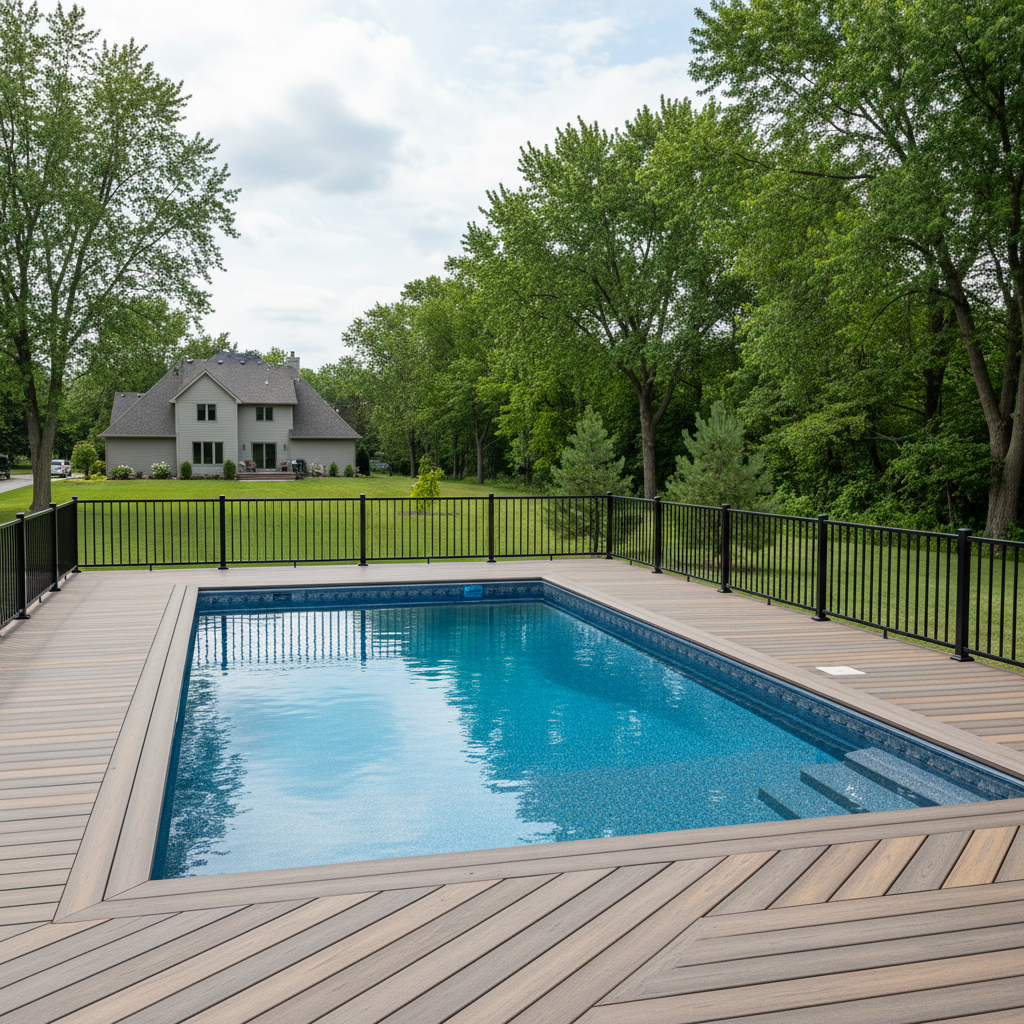
A pool deck can be a fantastic addition to your backyard, a real game-changer for summer fun. But man, I've seen some folks around Minneapolis make some real head-scratching mistakes when they're planning or hiring for these projects. You don't want to be one of them, trust me. Here's what I've seen go wrong and how you can steer clear of the same pitfalls.
Skimping on the Design and Planning Phase
This is probably the biggest one. People get excited about the pool itself, and the deck often feels like an afterthought. They'll say, 'Just build a rectangle around it' or 'I want it to look like my neighbor's.' That's a recipe for regret. A pool deck isn't just a surface; it's an integral part of your outdoor living space. You need to think about how you'll use it. Will you have lounge chairs? A dining area? A grill station? How will traffic flow from the house to the pool and back? Where will the kids run? What about shade? We've worked on projects in places like Linden Hills where space is at a premium, and every square foot needs to be thought through. Don't rush this. A good contractor, like us at Elite Deck Solutions, will spend serious time on design, asking you all these questions and more. They'll help you visualize it, maybe even with 3D renderings, so you know exactly what you're getting before we even break ground.
Ignoring Material Suitability for Our Climate
Minneapolis weather is no joke, right? We get scorching summers, freezing winters, and a whole lot of freeze-thaw cycles in between. This is brutal on materials, especially around a pool where there's constant moisture and chemicals like chlorine. I've seen people go with cheap, porous pavers that crack and crumble after a couple of winters, or wood that warps and splinters because it wasn't properly sealed or wasn't the right species for the job. You need materials that can stand up to our climate. Concrete pavers, stamped concrete, composite decking, or even certain hardwoods like Ipe are good options, but each has its pros and cons. You need to consider slip resistance too – wet feet on a slick surface is just asking for trouble. Don't let a contractor talk you into a material just because it's cheap or easy for them to install. Ask about its longevity in Minnesota, its maintenance requirements, and its slip rating.
Underestimating Drainage and Water Management
Water, water everywhere, and a pool deck is right in the middle of it. If your deck doesn't have proper drainage, you're going to have a bad time. I'm talking standing water, mold and mildew growth, erosion around your pool's foundation, and even water seeping into your house if the grading is wrong. We always make sure the deck slopes away from your house and the pool structure at the correct grade. Sometimes, that means installing channel drains or French drains. It's not the sexiest part of the job, but it's critically important. A contractor who doesn't talk about drainage early on is a red flag. They might be cutting corners, and that'll cost you a lot more down the road in repairs.
Hiring the Cheapest Bid Without Due Diligence
Look, I get it. Everyone wants to save a buck. But when it comes to a big project like a pool deck, the cheapest bid is often the most expensive in the long run. I've seen countless homeowners get burned by contractors who underbid, then either do shoddy work, disappear halfway through, or hit them with huge change orders. Before you sign anything, do your homework. Check their references – and actually call them! Ask to see examples of their previous pool deck work. Make sure they're licensed and insured. Seriously, ask for proof of insurance. You don't want to be liable if someone gets hurt on your property. A reputable contractor will be transparent about their process, their costs, and their timeline. They'll have a solid contract that protects both of you. If a deal seems too good to be true, it probably is.
Forgetting About Future Maintenance
Once your beautiful new pool deck is in, you're not done. It's an investment, and like any investment, it needs care. Some materials require more maintenance than others. Wood decks need regular cleaning and sealing. Concrete might need occasional pressure washing. If you're not prepared for that upkeep, your deck won't look great for long, and its lifespan will be cut short. Think about your lifestyle. Are you willing to put in the work, or do you need a low-maintenance option? Discuss this with your contractor during the planning phase. We can guide you toward materials and finishes that align with your willingness to maintain them. It's all about setting realistic expectations and making smart choices from the start.